
501. 5-Story Office Building Electrical CAD Drawings – Power & Lighting Layout
The 5-Story Office Building Electrical CAD Drawings provide a detailed and comprehensive layout essential for understanding the power and lighting configurations throughout an office complex. These CAD drawings serve as critical resources for architects, designers, and construction teams, ensuring seamless communication and coordination across disciplines.
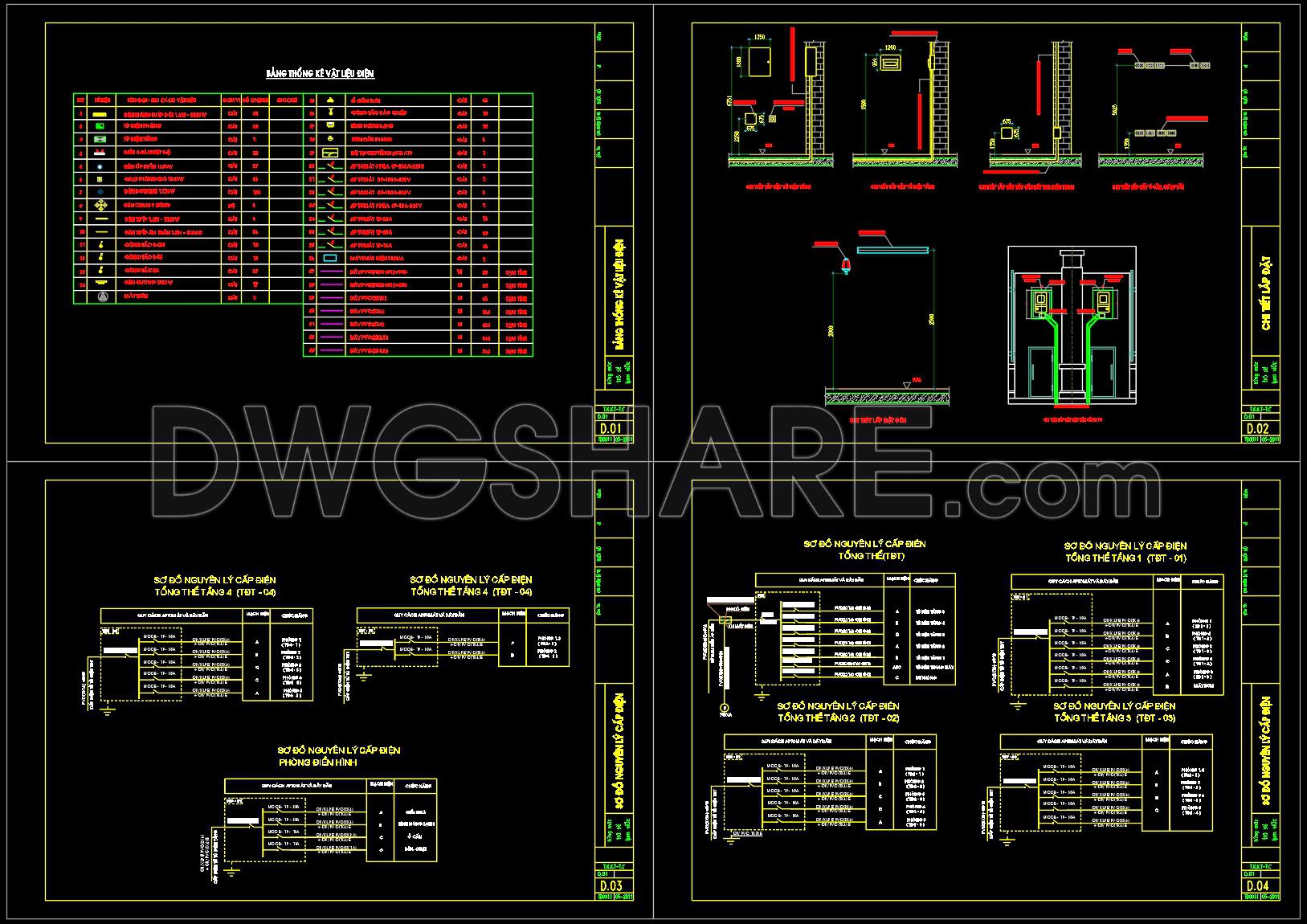
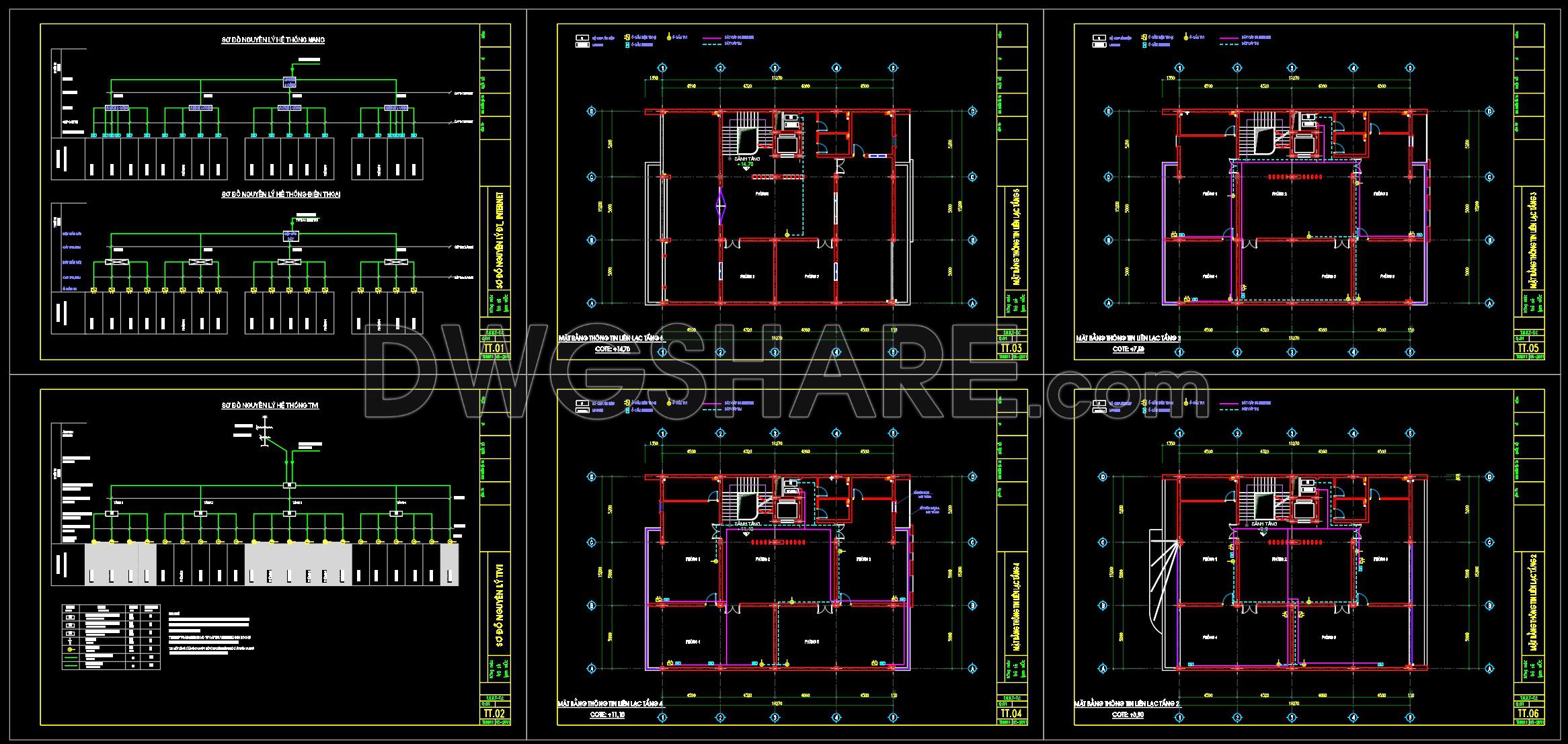
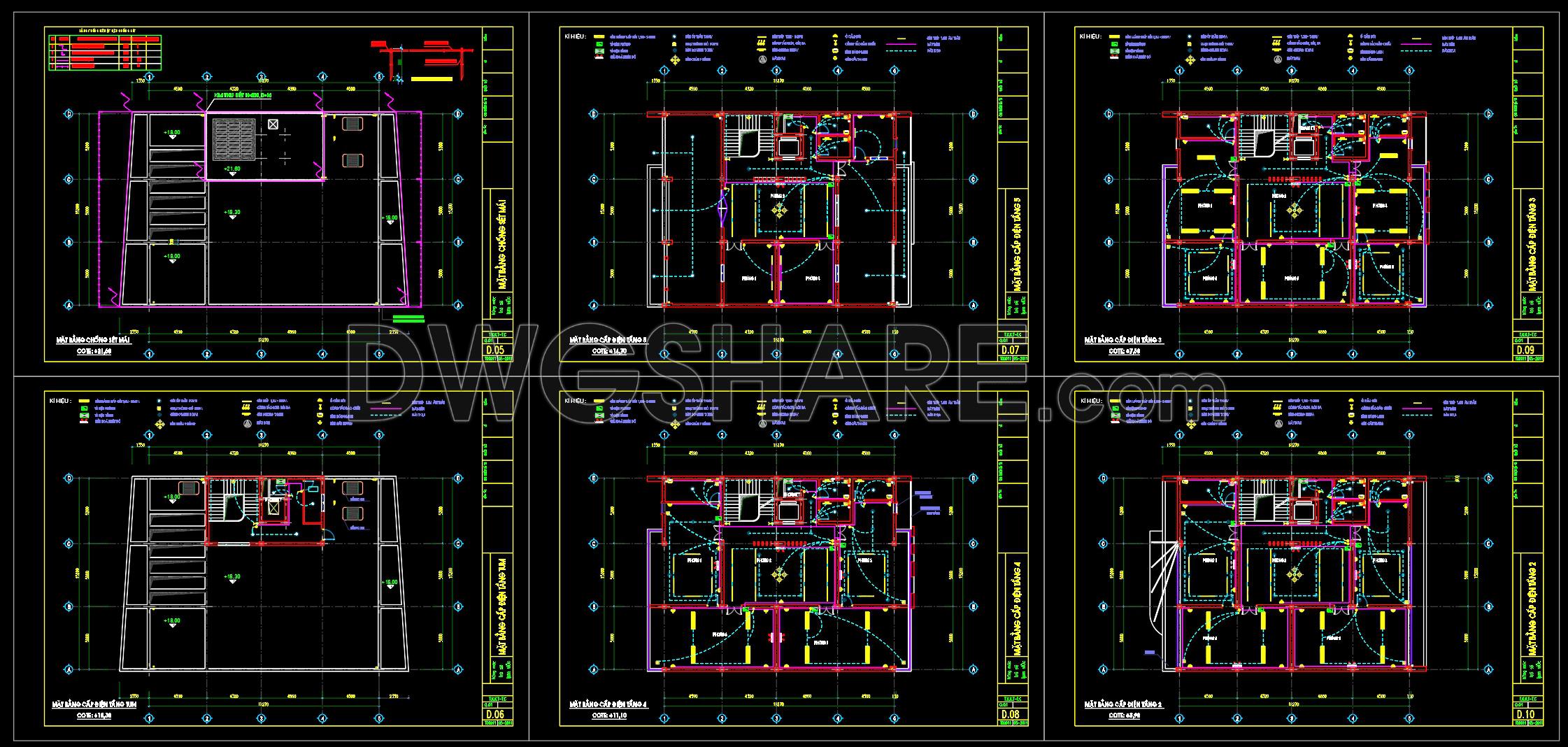
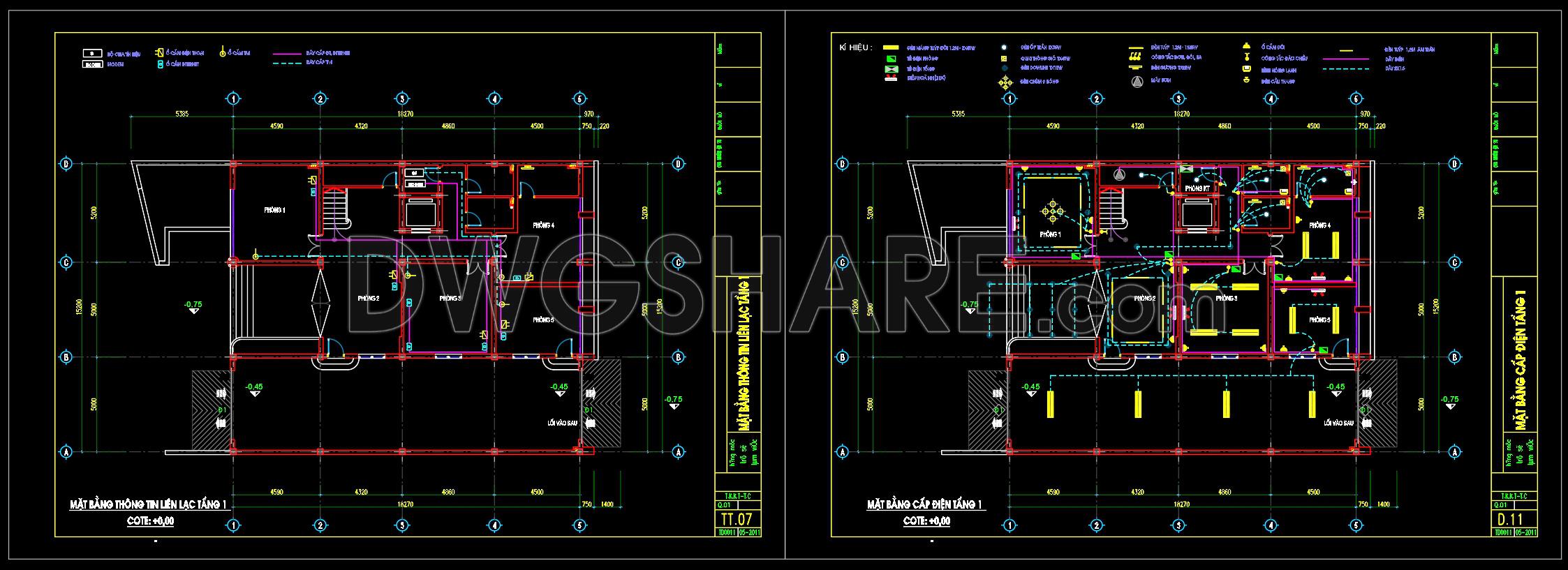
Beginning with the power and lighting layout plans, these drawings showcase a meticulous arrangement of electrical fixtures and circuits across each floor. Each plan is carefully designed to illustrate the position and specifications of electrical panels, lighting fixtures, and power outlets, ensuring optimal functionality and compliance with building codes. The use of grid lines, dimensions, and level markers facilitates precision in planning, helping architects and engineers to visualize the electrical strategy in a structured manner.
Functional floor plan layout is a pivotal component, providing an overview of how electrical and lighting systems integrate within the architectural design. This layout ensures that power access aligns with the spatial and functional demands of the office environment. By clearly marking the paths of electrical conduits and specifying the types of lighting required in different areas, these plans support effective decision-making during the design development phase.
Elevations and sections in the drawings further clarify how electrical systems interface with the building’s structural elements. These views highlight the vertical distribution of wiring and placement of lighting and power elements, enabling construction teams to execute installations with confidence and accuracy.
Construction detail drawings are also included, illustrating the precise technical specifications needed for the installation of lighting and electrical systems. These details are crucial for understanding the methods and materials required, ensuring that all installations meet the necessary safety and performance criteria.
The CAD drawings excel in providing high technical accuracy, which is indispensable for easy modification and reuse in software like AutoCAD. This adaptability not only enhances design efficiency but also reduces the likelihood of errors and project costs, as potential issues can be identified and addressed early in the design process.
These CAD DWG files are shared freely, making them an excellent resource for design reference, study, and research. They can also serve as a foundational base for further technical drawing development, allowing professionals to build upon the existing data to suit specific project needs.
In conclusion, the availability of these detailed electrical CAD drawings contributes to improved design and construction coordination, offering a valuable tool for professionals seeking to optimize building functionality and efficiency.
I also recommend downloading other Buildings CAD drawings for your project reference.
- File format: .DWG
- Size: 1 MB
- Source: DWGshare
- AutoCAD platform 2018 and later versions. For downloading files there is no need to go through the registration process
If you find our work useful, your support would mean a lot and help us grow even better.DONATE
Related posts
247. 2-Story House Plumbing & Drainage CAD Drawings
241. Complete Residential Electrical CAD Drawings – Lighting, Power, LAN, CCTV & Lightning Protection
4. Electrical Lighting Cad Blocks free download
75. CAD drawings for detailed electrical designs for a 4-story townhouse
122. Free Download Plumbing & Electrical Design Drawings for a 2-Story Townhouse
210. Residential Reflected Ceiling Plan & Lighting Layout CAD Drawings (DWG)
124. CAD drawings detailing the design of water supply and drainage systems for a 2-story townhouse
61.Street Lighting Blocks Autocad
512. Free Download of Mechanical and Electrical Construction Design Drawings for a 2-Story House